Representation as Revenue: Why Authentic Diversity Is Fashion's New Power Currency

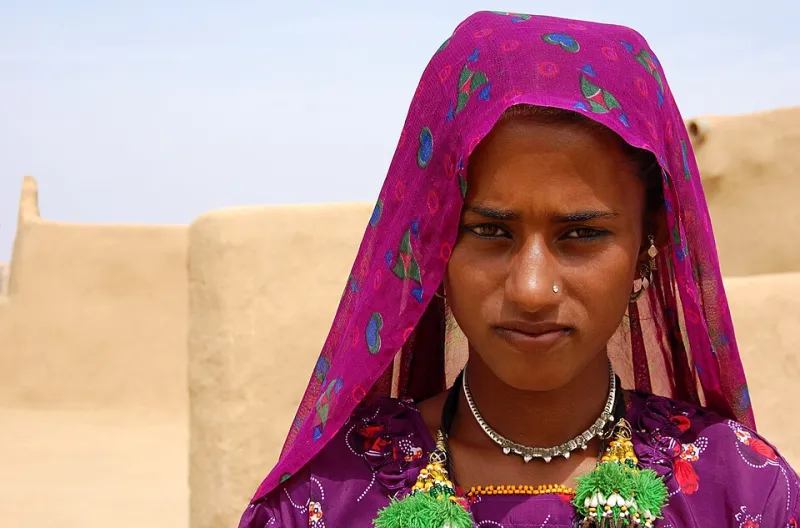
Photo: Holger Krisp, CC BY 3.0, via Wikimedia Commons
For years, the conversation around diversity in fashion centered on visibility—how many models of color appeared on a runway, whether a plus-size talent graced a campaign, or if a brand's seasonal lookbook featured anyone over the age of forty. Visibility, however, is not the same as value. The industry is now learning, sometimes through costly missteps, that authentic representation is not simply a moral obligation. It is a measurable commercial advantage.
At FunCity Model, we work with talent across a wide spectrum of backgrounds, body types, ages, and identities. What we have observed over the past several years is not merely a cultural shift—it is an economic one. Models who have leaned into their authentic identities, rather than conforming to a narrowly defined industry standard, are increasingly the ones signing the longest contracts and negotiating the highest fees.
The Cost of Performative Casting
The backlash against performative diversity has been swift and public. American consumers, particularly those in the Gen Z and Millennial demographics, have demonstrated a sophisticated ability to distinguish between brands that genuinely invest in underrepresented communities and those that deploy diverse talent as a seasonal marketing strategy. Social media has accelerated this accountability. A brand that features a model with a disability in one campaign while maintaining exclusionary internal practices will find that disconnect surfaced and amplified online within hours.
This transparency has created a new kind of risk calculus for major labels and retailers. Tokenism is no longer a safe fallback—it is a liability. As a result, brands are increasingly seeking talent whose personal narratives align with their stated values, not simply talent whose appearance checks a demographic box.
Long-Term Contracts as a Signal of Genuine Investment
One of the clearest indicators that authentic representation is becoming a business priority rather than a public relations gesture is the shift in contract structures. Industry observers have noted a meaningful increase in multi-year ambassador deals being offered to models from underrepresented backgrounds—arrangements that go well beyond a single campaign shoot.
Consider the trajectory of models who have built their platforms around body positivity, disability advocacy, or cultural identity. These individuals are not simply being hired for their appearance. They are being retained for their audiences, their credibility within specific communities, and their ability to lend genuine authority to a brand's messaging. A model who has spent years building trust with, for example, the South Asian American community, or with consumers navigating chronic illness, brings something to a brand partnership that no casting director can manufacture through a single booking.
This dynamic fundamentally changes the negotiating position of talent who have invested in authentic personal branding. They are not competing on the same terms as a generalist model. They are offering access to a loyal, engaged audience that a brand cannot reach through traditional advertising alone.
Case Studies in Authentic Positioning
The evidence is not merely anecdotal. Across the US market, several high-profile examples illustrate how models have converted authentic representation into sustained commercial success.
Talent who have been candid about navigating the fashion industry as plus-size professionals have parlayed that transparency into founding roles with emerging brands, equity stakes in product lines, and speaking engagements that extend their income well beyond the traditional modeling fee structure. Models who have spoken openly about their cultural heritage—whether that means incorporating traditional dress into editorial work or advocating for accurate representation of their communities in mainstream media—have attracted mission-aligned sponsors who view the partnership as an investment in community trust, not simply a marketing expense.
What these individuals share is a willingness to define their own value proposition rather than waiting for the industry to assign them one. They have recognized that their authenticity is not a limitation to be managed—it is an asset to be monetized.
What Agencies and Talent Managers Are Watching
For talent representation professionals, the implications are significant. The old model of presenting a client as a blank canvas—adaptable, neutral, and universally palatable—is losing ground to a model that emphasizes specificity and story. Brands with genuine diversity commitments are not looking for versatility in the traditional sense. They are looking for credibility.
This does not mean that every model must become an activist or build a platform around a single identity. It does mean that talent who understand their own stories and can articulate those narratives professionally will have a competitive advantage in a market that is increasingly rewarding authenticity over conformity.
At FunCity Model, we counsel our talent to approach their personal brand with the same intentionality they bring to their portfolio. What communities do you authentically represent? What conversations are you uniquely positioned to advance? These are not soft questions. They are strategic ones.
Positioning for the Next Phase
The fashion industry's diversity conversation is maturing. The brands leading the next phase of this evolution are not those making the loudest declarations—they are those making the most durable investments. For models and creative professionals, the opportunity lies in aligning with those brands before the market becomes crowded.
That means building authentic platforms now, cultivating genuine community engagement, and being selective about which partnerships reinforce rather than dilute your credibility. The models who will command the highest fees in the coming years will not necessarily be the most conventionally beautiful or the most widely recognized. They will be the ones whose presence in a campaign signals something meaningful—to consumers, to communities, and to the market at large.
Representation, when it is genuine, is not a cost of doing business. It is a return on investment. The talent who understand that distinction are already cashing in.