Famous First, Castable Never: The Hidden Cost of Attention That Arrives Too Soon
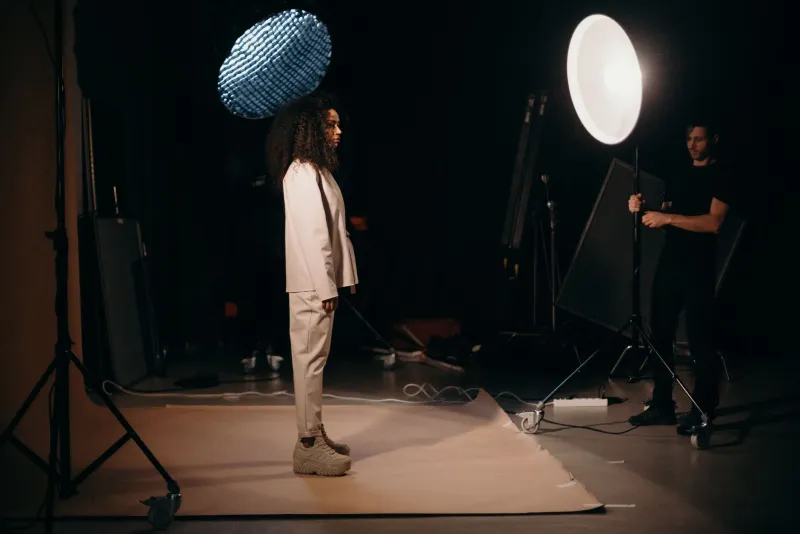
There is a particular kind of excitement that surrounds a model who suddenly finds herself at the center of public conversation. A photograph circulates widely. A short video accumulates hundreds of thousands of views. A single appearance on the right platform generates a surge of followers, direct messages, and, sometimes, inquiries from people who identify themselves as agents, producers, or brand representatives. The moment feels undeniable. It feels like arrival.
But within the professional infrastructure of the fashion and entertainment industries, arrival means something far more specific — and far more demanding — than a spike in digital engagement. The talent managers, casting directors, and creative leads who fill the rooms that matter have learned, often through hard experience, to distinguish between a person who has captured attention and a person who is prepared to hold it professionally. That distinction is not incidental. It is, in many respects, the entire basis on which careers are built or quietly dismantled before they begin.
What the Industry Actually Measures
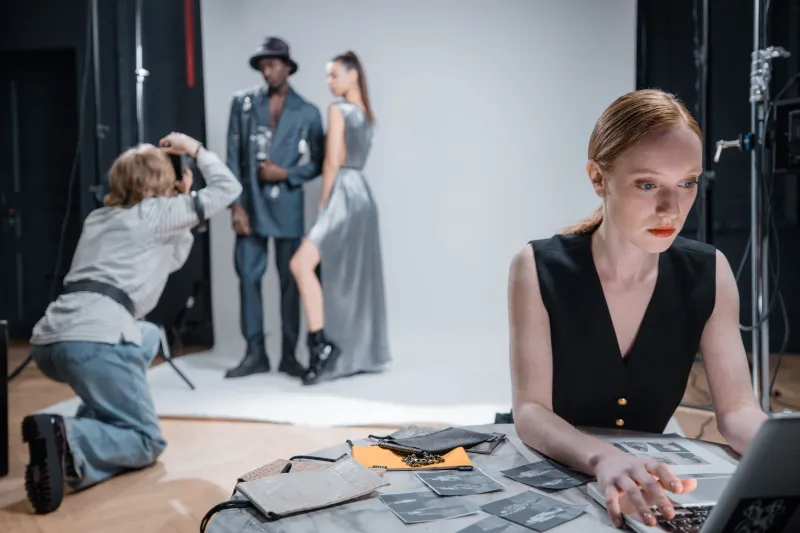
When a casting director reviews a submission or a talent manager considers representation, they are not evaluating how many people have heard of someone. They are evaluating a set of competencies that are largely invisible to the general public: physical consistency, directorial responsiveness, range within a brief, professional conduct under pressure, and the ability to translate a creative vision rather than simply impose a personal one.
These are learned skills. Some emerge through formal training. Others develop through accumulated experience on set — through the unglamorous repetition of early bookings, test shoots, and agency-directed development work. None of them are conferred by a viral moment, no matter how spectacular that moment may appear from the outside.
A model who enters a casting room on the strength of public attention, without the foundational preparation that room implicitly demands, is not simply unprepared. She is, in a very practical sense, misrepresenting herself — not through any dishonesty, but through a mismatch between the promise her visibility implies and the professional reality she can currently deliver.
The Psychology of Premature Spotlight
The emotional dimension of early, intense visibility is worth examining honestly. When attention arrives before readiness, it tends to distort a model's understanding of where she actually stands in the professional hierarchy. Encouragement from a general audience — however enthusiastic — does not map onto the evaluative criteria of a senior art director or a brand's casting team. The applause of the internet is real, but it is not credentialed.
This distortion can manifest in subtle but damaging ways. A model who has been widely praised may resist the developmental feedback that professional environments require. She may interpret directorial notes as criticism rather than craft instruction. She may enter negotiations or creative conversations with a confidence that, while understandable, is not yet supported by a body of professional work. These patterns rarely announce themselves dramatically. They surface in the small moments — a slight resistance to redirection, a difficulty sitting with ambiguity, an expectation of deference that the room has not yet agreed to extend.
Industry professionals notice. And their conclusions tend to be quiet, final, and difficult to reverse.
Attention as a Starting Point, Not a Destination
None of this is an argument against visibility. Attention, when it arrives, is a resource — one that can be directed strategically or squandered through overconfidence. The models who convert genuine spotlight moments into durable careers are almost universally those who treat public recognition as an opening, not a credential.
This means resisting the temptation to leverage early attention into professional claims that have not yet been earned. It means continuing — or beginning — the foundational work of professional development even when the external signals suggest that such work is no longer necessary. It means building a portfolio that reflects genuine range and craft, rather than simply archiving the moment that generated initial interest.
It also means developing a clear-eyed understanding of which kinds of attention actually translate within the industry. A following built on lifestyle content, humor, or personal narrative does not automatically signal castability for editorial, commercial, or runway work. The audiences are different. The evaluative frameworks are different. A model who conflates her social audience with her professional market is, in effect, submitting to a casting call for a role she has not yet auditioned for.
The Preparation That Visibility Can't Replace
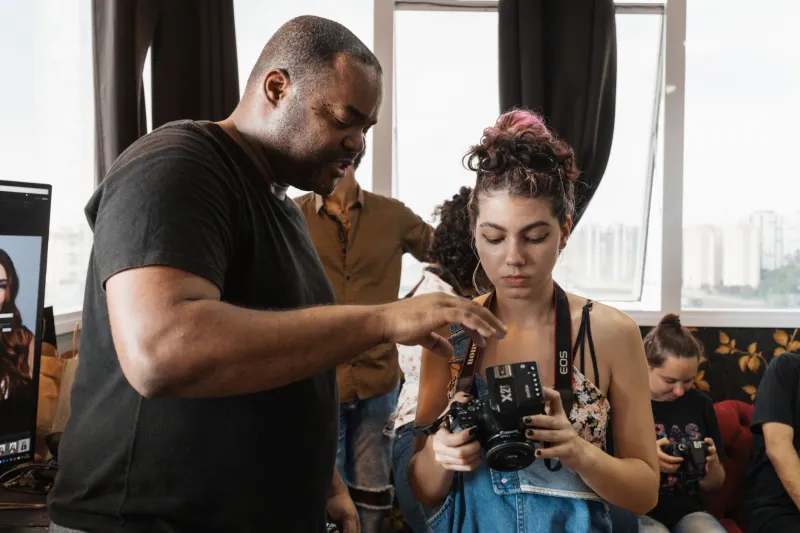
Professional readiness in modeling is built through a specific sequence of experiences: working with photographers who challenge rather than simply flatter, receiving and integrating feedback from agents and creative directors, developing the physical and expressive consistency that repeated bookings require, and learning the unwritten codes of professional conduct that define how talent is perceived on set and off.
This preparation does not have a shortcut. It cannot be compressed into a single viral moment or substituted by a large following. What it can be is accelerated — by a model who recognizes the gap between her current standing and professional readiness, and who uses the platform that early attention has provided to pursue the development work with greater urgency and greater access.
There is a version of this story that ends well. It requires honesty about where the work of preparation ends and where the reward of recognition properly begins. Models who understand that distinction — who can hold public attention and professional humility simultaneously — are the ones who eventually earn the room's respect rather than simply its curiosity.
Converting the Moment Into the Career
For models navigating early visibility, a few principles tend to hold consistently across markets and career stages.
First, seek representation from agencies with verifiable professional infrastructure before attempting to convert attention into bookings independently. The guidance of experienced talent managers during this phase is not a formality — it is a structural safeguard against the missteps that premature self-direction tends to produce.
Second, invest in test shoots and collaborative work that builds portfolio range rather than simply reinforcing the aesthetic that generated initial interest. Castability depends on demonstrating range. Attention, by contrast, tends to reward consistency and recognition — which means the content that made someone visible may be precisely the content that limits their professional options.
Third, approach every professional interaction as an opportunity to demonstrate readiness rather than to assert it. The room will form its own conclusions. The most effective thing a model can do in the early stages of a career is to provide evidence — through preparation, responsiveness, and craft — that those conclusions should be favorable.
Visibility is not nothing. But in the professional architecture of the fashion and entertainment industries, it is closer to an introduction than a qualification. The work of becoming genuinely castable begins, in most cases, after the spotlight has moved on — and the models who do that work quietly, seriously, and without waiting for the next moment of public recognition are the ones who tend to still be working when the industry's attention finally settles on them for good.