Before You Sign: How Smart Models Evaluate Agencies on Their Own Terms
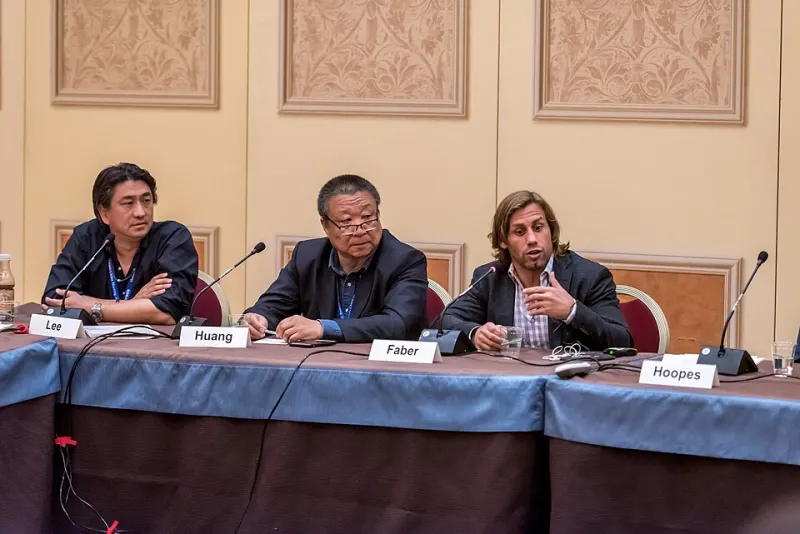
Photo: Richter Frank-Jurgen, CC BY-SA 2.0, via Wikimedia Commons
There is a familiar script that plays out in agency meetings across the country. A model walks in, portfolio in hand, doing everything possible to project confidence while quietly hoping for approval. The agency asks the questions. The model answers them. And if all goes well, an offer arrives — one that the model, conditioned to feel grateful simply for being seen, often accepts without a second thought.
But representation is not a favor. It is a business arrangement, and like any arrangement worth entering, it demands scrutiny from both sides of the table.
"I wish someone had told me earlier that I was allowed to interview them back," says a commercial model based in Chicago who spent two years with an agency that consistently undervalued her for the type of work she actually wanted. "I was so focused on making them like me that I never stopped to ask whether I even liked them."
Her experience is far from unique. Across the industry, talent managers and career coaches are increasingly encouraging emerging models to reframe the agency meeting — not as an audition for approval, but as a mutual evaluation of professional compatibility.
The Myth of Passive Talent
The traditional power dynamic in modeling has long positioned agencies as gatekeepers and talent as supplicants. That dynamic, while still present in certain corners of the industry, is shifting. The rise of direct-to-brand social media casting, the expansion of niche markets, and a broader cultural conversation about professional self-advocacy have collectively given models more leverage than previous generations ever enjoyed.
Yet many emerging talents still walk into agency meetings without a single prepared question of their own. This is a missed opportunity — and in some cases, a costly one.
An agency's culture, communication practices, and existing client relationships will directly influence how often a model works, what kinds of jobs they are submitted for, and how their brand is positioned in the marketplace. These are not minor details. They are the architecture of a career.
Green Flags Worth Recognizing
Not every agency operates the same way, and the differences matter more than most newcomers realize. When evaluating potential representation, there are several indicators that suggest a healthy, professional partnership.
Transparent commission structures. A reputable agency will clearly explain its fee arrangements from the outset — typically ranging from ten to twenty percent depending on market and contract type. Any hesitation or vagueness around compensation terms warrants follow-up.
A defined communication protocol. Ask directly: How will submissions be communicated? Who is the primary point of contact for day-to-day inquiries? How quickly does the agency typically respond to talent questions? Agencies with clear internal systems tend to advocate more effectively for their models because the infrastructure supports it.
A roster that reflects genuine diversity. This extends beyond demographics. Look at the range of body types, ages, and specializations represented. An agency that books a wide variety of talent for a wide variety of clients is generally one with broad industry relationships — and broader opportunities for you.
Verifiable booking history. Ask for examples of recent placements. A confident, established agency will have no hesitation sharing the kinds of brands and campaigns it has placed talent with. This is not a demand — it is due diligence.
Red Flags That Deserve Serious Attention
Just as important as identifying strengths is knowing when something feels wrong. Several patterns should prompt a model to proceed with caution or walk away entirely.
Upfront fees for representation. Legitimate modeling agencies earn their income through commissions on booked work — not through charging talent for portfolio shoots, agency registration, or mandatory training programs. This practice, sometimes called "pay-to-play," is a well-documented warning sign in the US market and should be treated accordingly.
Vague answers about client relationships. If an agency cannot or will not name the types of clients it works with, or deflects questions about recent bookings with generalities, that opacity may reflect a limited — or inflated — client base.
Pressure to sign quickly. Legitimate agencies understand that signing representation is a significant decision. Any agency that discourages a model from taking time to review a contract, consult with a trusted advisor, or simply think things through is prioritizing their own interests over a sustainable professional relationship.
A dismissive attitude toward your goals. Pay attention to how an agency responds when you describe your career aspirations. Do they engage with your vision, ask clarifying questions, and begin thinking aloud about how they might help you get there? Or do they redirect toward what they currently need? An agency that cannot articulate how it will serve your specific goals is unlikely to advocate for them once you are signed.
The Questions Every Model Should Ask
Preparing a short list of direct questions before any agency meeting accomplishes two things simultaneously: it signals to the agency that you are a serious, self-aware professional, and it generates the information you actually need to make a sound decision.
Consider asking:
- How do you determine which models to submit for a given casting?
- What does success look like for a model at your agency in the first twelve months?
- How do you handle situations where a model and a client are not a good fit?
- What is your policy on exclusivity, and how does it affect a model's ability to pursue independent work?
- Can you connect me with one or two models on your roster who would be willing to speak with me?
That last question is particularly revealing. An agency confident in its reputation and relationships will welcome the request. One that deflects it may have reasons for doing so.
Talking to Models Who've Been There
Some of the most valuable intelligence available to emerging talent comes not from industry publications but from peers who have navigated representation decisions firsthand. Models who have switched agencies — or walked away from offers — often have nuanced, practical perspectives that no agency pitch deck will ever provide.
A fitness and commercial model based in Atlanta who transitioned agencies after eighteen months describes her first representation experience as professionally stagnant. "They were booking me for the same type of work over and over, which was fine at first. But when I started asking about editorial submissions or higher-end commercial work, there was just silence. I realized they didn't have those relationships."
Her second agency, she notes, spent the first meeting asking her questions before answering any of hers — a detail she initially found disorienting but later recognized as a sign of genuine investment in her trajectory.
Partnership, Not Permission
The most productive agency relationships in the industry share a common quality: mutual respect. Talent that understands its own value, articulates its goals clearly, and approaches representation as a professional partnership — rather than a hierarchical arrangement — tends to attract agencies that operate the same way.
At FunCity Model, we believe that the spotlight belongs to talent who have done the work — not just in front of the camera, but in every room where their career is being shaped. The agency meeting is one of those rooms. Walk into it prepared, walk out of it informed, and sign only when the answer to every critical question points clearly in the same direction.
Your career is not a tryout. Treat it accordingly.